3 Ways a New Roof Can Boost Your Home's Curb Appeal

December 18, 2025

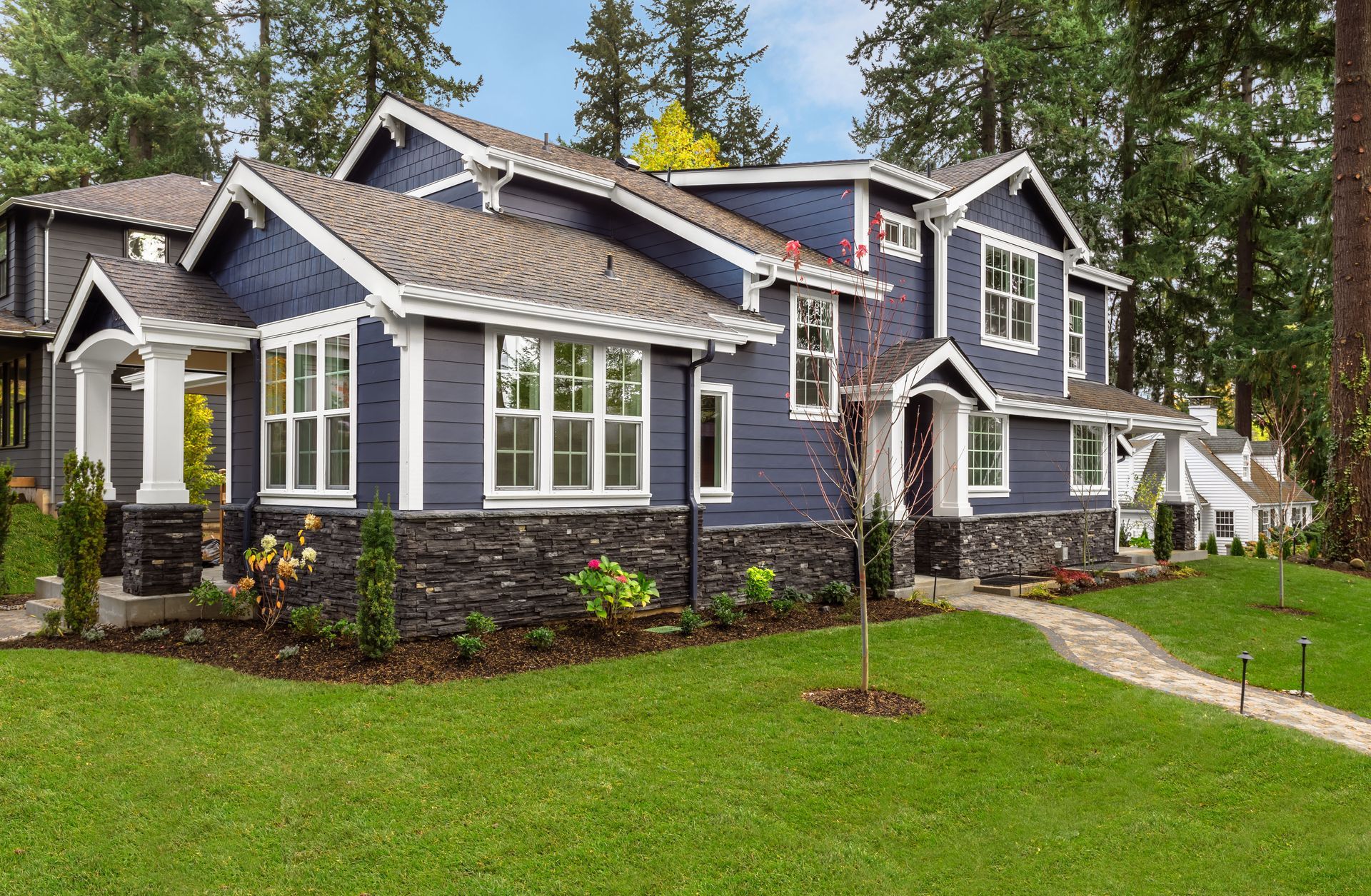
The roof is a fundamental aspect of any home, not just for functional purposes, but also for enhancing its curb appeal. A well-chosen roof integrates with the house's overall look, complementing its style and enhancing its architecture. While aesthetics are crucial, a roof also offers protection, making it a dual-purpose investment. As homeowners consider the benefits, the decision to replace an aging or damaged roof can prove invaluable for both appearance and longevity. Let's explore the various ways in which a new roof installation can transform the exterior appearance of your home, making it more attractive and increasing its value.


1. Enhancing Aesthetic Appeal

Choosing the Right Style

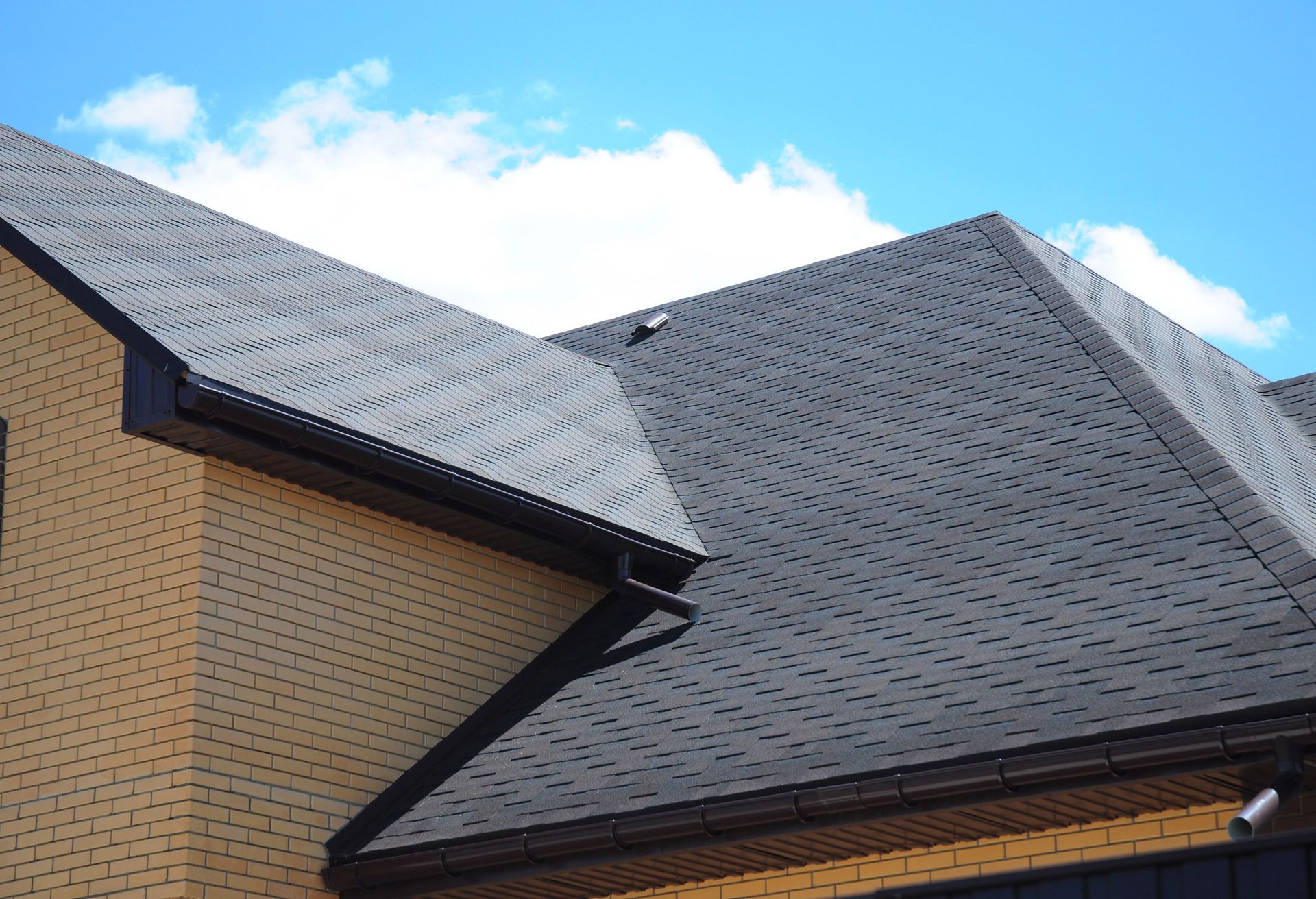
Selecting the right roofing style can significantly influence the overall appearance of your home. From classic gables to contemporary flat designs, the roofing style must resonate with your home's architecture. Each style brings unique characteristics that can either highlight or detract from your home's appeal. For example, a colonial home often pairs best with a traditional gabled roof. By choosing styles that align with the house's framework, homeowners can ensure a cohesive and visually appealing exterior.


Exploring Color Options

The strategic selection of roof color can dramatically affect a home's look. While many homeowners default to neutral tones, experimenting with vibrant shades can enhance curb appeal. A darker roof can add sophistication, whereas a lighter hue might reflect more sunlight, providing an aura of vibrancy. It's about finding a balance that complements the home's exterior palette, ensuring harmony and attractiveness. Each choice in color should reflect both personal style and a harmonious blend with the surroundings.


Material Versatility

Roofing materials contribute significantly to the aesthetic value of a home. Options range from classic asphalt shingles to sleek metal panes, each offering distinct visual and functional qualities. While asphalt remains popular for its cost-effectiveness and versatility, materials like slate or clay can provide a luxurious finish. Homeowners should weigh the visual appeal against factors like climate suitability and longevity. With diverse options available, the right material can greatly enhance both the aesthetic and functional appeal of a home.


Customization Features

Custom features in roofing allow for a personalized touch that sets your home apart. Patterned shingles or the addition of metallic accents can create visual interest and elevate design. These elements not only differentiate your roof but also add to the unique charm of your property. Customization provides an opportunity for homeowners to imprint their personal style during a new roof installation, contributing to their home's character. This ability to tailor one's roof ensures both satisfaction and a distinctive curb appeal.


Modern Trends Incorporation

Incorporating modern roofing trends can enhance your home's curb appeal and reflect contemporary design aesthetics. Trends such as green roofs, which incorporate vegetation, or solar shingles, which blend energy efficiency with design, are becoming increasingly popular. Staying updated with the latest materials and styles ensures that your roof not only looks trendy but also functions optimally. By integrating such trends into a new roof installation, homeowners can achieve a balance between modernity and timeless style.


2. Increasing Property Value

ROI on Home Value

A new roof installation can yield a high return on investment by increasing property value. Despite the substantial initial investment, a new roof can enhance home value and desirability. Buyers often view a new roof as a major benefit, reducing future expenses on maintenance and repairs. In the real estate market, a well-maintained roof is a compelling selling point that justifies its cost.


Perceived Quality and Maintenance

A new roof signals installation care and quality to prospective buyers, minimizing perceived future maintenance. A well-installed roof not only protects but also demonstrates the homeowner's attention to regular upkeep. Buyers are more likely to trust a home with a recently updated roof, as it suggests fewer immediate expenses. This perception can justify premium pricing, as the property aligns with expectations of a sound investment. Thus, an upgraded roof enhances potential resale value through both physical benefits and perceived quality.


Energy Efficiency Advantages

Energy-efficient roofing is a significant attractor in today's environmentally-conscious market. Features like reflective materials or insulation improvements significantly reduce heating and cooling costs. This energy efficiency appeals to buyers who prioritize sustainability, potentially broadening the market for your home. Energy-efficient roofs can drastically reduce utility expenses, providing long-term cost savings for homeowners. As buyers lean towards eco-conscious living, such roofing becomes a valuable asset that boosts property value.


Warranty and Longevity

The inclusion of warranties and enhanced durability can increase a home's appeal to buyers. Roofs with extended warranties provide peace of mind, assuring buyers of reduced future repair costs. Durable materials that promise longevity are integral to increasing a property's value and desirability. According to Fixr, asphalt shingles typically perform well for 15 to 30 years before needing replacement. The promise of fewer repairs spells long-term savings and ensures the roof will withstand time and climate conditions. Warranties thus serve as a tangible selling point, reassuring potential buyers of their investment's security.


3. Improving Safety and Protection

Weather Resistance

Modern roofing materials offer superior protection against harsh weather conditions, enhancing safety. Innovations in design now ensure roofs can withstand extreme situations such as high winds or heavy snowfall. The resilience of these updated materials provides a secure covering that shelters against environmental elements. New roofs thus lead to fewer repairs and increased longevity, reflecting both safety and smart investment. Globally, as weather patterns become less predictable, a robust roof serves as a crucial defense for your home.


Fire Resistance Features

Fire-resistant materials in roofing significantly reduce the risk of fire-related damage. Options such as metal or clay tiles offer natural resistance to fire, especially vital in regions prone to wildfires. Ensuring your roof includes these fire-resistant qualities not only increases safety but also homeowner peace of mind. These materials comply with fire safety standards, offering a proactive measure against potential calamities. Incorporating such features highlights a commitment to safety, providing resilience against external threats.


Pest Deterrence

A new roof installation acts as a deterrent to infestations, preventing structural damage from pests. Properly installed roofs close gaps and reinforce entry points, denying pests access to your home's interior. Materials such as metal are particularly impervious to gnawing rodents, further enhancing protection. An investment in quality roofing reduces the likelihood of damage from unwanted intrusions, maintaining structural integrity. This proactive approach not only saves on pest management costs but also preserves the home's aesthetics.


Structural Integrity Reinforcement

Investing in a new roof strengthens the overall structural resilience of a home. Modern roofing techniques focus on enhancing joint and support structures, ensuring durability in adverse conditions. Strengthened structural integrity guards against natural calamities, underpinning the roof's role as more than a protective feature. This reinforcement sustains the house's condition, ensuring longevity and enduring homeowner confidence. A roof built to withstand extensive pressure and weather conditions is an asset in maintaining overall home stability.


Advanced Insulation Benefits

Advancements in roofing insulation boost home safety by enhancing thermal regulation and energy conservation. Insulated solutions prevent loss of heat in winter and excess entry in summer, maintaining consistent interior climates. These advancements not only promote comfort but also significantly cut energy consumption costs over time. Enhanced insulation contributes to the overall safety of home environments, ensuring temperature stability amidst external fluctuations. Through these innovations, homeowners realize both economic and safety benefits.


Investing in a new roof installation offers extensive benefits beyond just protection from the elements. By enhancing curb appeal, boosting property value, and ensuring safety, homeowners can enjoy both tangible and intangible returns on their investment. A new roof installed by Mike Miller's Roofing & Siding isn't just an upgrade, but a transformative change that enhances the entire living experience. Reach out to us today to get started with a free estimate!
roofing companies
October 16, 2025
Planning is one of the most crucial parts of any home improvement project—especially when working with roofing companies. A roofing project is a major investment that affects your home’s safety, comfort, and long-term value. Proper planning helps you avoid the stress of last-minute surprises, keeps the process organized, and ensures you receive top-quality results. Whether you’re replacing a worn-out roof, addressing storm damage, or upgrading your home’s exterior, preparation and communication are key. When homeowners rush into hiring a contractor without adequate research or planning, they often face unexpected expenses, delays, or unsatisfactory results. Taking the time to outline your goals, understand the process, and collaborate closely with your contractor can make a dramatic difference in your experience. By following these steps, you can enjoy peace of mind knowing your investment is in capable hands. 1. Research and Choose the Right Roofing Partner The foundation of any successful roofing project begins with choosing a trustworthy contractor. Reputable roofing companies should be licensed, insured, and transparent about their qualifications. Ask to see proof of insurance and verify that both liability and workers’ compensation policies are active. Doing so protects you from potential financial responsibility if an accident occurs on your property. Beyond credentials, reputation is another vital factor. Reading customer reviews and testimonials on trusted platforms such as Google, Yelp, and the Better Business Bureau gives you an honest look at previous clients’ experiences. Look for consistency in reviews—positive patterns in punctuality, professionalism, and workmanship typically indicate a reliable business. On the other hand, recurring complaints about missed deadlines or poor communication can be warning signs to avoid. It’s wise to compare several quotes before deciding. Evaluating multiple bids helps you gauge fair pricing and understand differences in materials or proposed timelines. Avoid choosing solely based on the lowest price; a deal that seems too good to be true often compromises quality or longevity. Lastly, take note of how each company communicates—prompt, respectful, and knowledgeable responses are hallmarks of trustworthy professionals who value their customers. 2. Define Your Roofing Project Goals and Budget Once you’ve found a few roofing companies that meet your expectations, the next step is to clearly define your project goals. Assess your current roof’s condition by identifying areas of wear, leaks, or visible damage. Determine whether a complete replacement or targeted repairs best suit your needs. Defining your goals in detail ensures that the contractor understands your vision and can tailor their proposal accordingly. Establishing a realistic budget is equally important. Roofing projects involve more than just material and labor costs—they may also include permit fees, equipment rentals, and unforeseen repairs. Discuss potential cost-saving options with your contractor, but never sacrifice quality to cut expenses. Transparent conversations about pricing and payment schedules help prevent misunderstandings later. Homeowners today can choose from a variety of materials, including asphalt shingles, metal, tile, or slate. Each option offers distinct benefits in terms of lifespan, maintenance, and appearance. Energy-efficient materials can even reduce long-term costs. According to This Old House, green roofs can lower roof surface temperatures by up to 68 degrees Fahrenheit during the summer, offering both comfort and energy savings. Discuss eco-friendly choices like cool roofs or solar shingles with your contractor to determine what fits your budget and climate. Finally, establish a project timeline that accommodates both your schedule and the contractor’s availability. A clear timeline ensures coordination, helps manage expectations, and keeps your roofing project on track. 3. Understand the Roofing Process Once your plan and contract are finalized, it’s important to understand each phase of the roofing process. The project typically begins with an inspection and consultation, during which your contractor evaluates your roof’s current state and identifies the best materials and approach. This stage sets the foundation for the entire project. Before any work begins, carefully review the written contract. Ensure it details the payment structure, warranty coverage, estimated timeline, and the full scope of work. A comprehensive contract protects both you and the roofing company by establishing clear expectations. During installation, you can expect several stages, including removing the old roof, preparing the decking, and installing new materials. Quality-focused roofing companies will take measures to safeguard landscaping and clean up debris daily to maintain a tidy workspace. As the project progresses, don’t hesitate to ask questions. Regular communication can clarify uncertainties and address potential issues before they escalate. Once installation is complete, most contractors conduct quality assurance checks to confirm their work meets safety and performance standards. A final walkthrough allows you to review the finished roof, ask final questions, and confirm your satisfaction before signing off on completion. 4. Maintain Consistent Communication Throughout the Project Clear communication is the glue that holds a roofing project together. Establishing open channels of communication early on promotes transparency and trust. Determine how you prefer to receive updates—via phone, email, or text—and agree on how often progress reports will be shared. Many homeowners appreciate receiving photos and written updates during key milestones to monitor progress. Leveraging technology can make this process even more efficient. Project management apps, video calls, and shared folders enable homeowners to stay informed from anywhere. Proactive, consistent communication fosters collaboration, ensures accountability, and builds confidence that the work will be completed as promised. 5. Prepare Your Home and Property for Construction Before the first day of installation, take practical steps to prepare your home. Inside, cover furniture and electronics to protect them from dust or debris. Vibrations during construction may shift fragile items, so it’s best to store valuables and breakables in safe locations. Outdoors, clear driveways, walkways, and patio areas to give workers easy access to the roof. If possible, move vehicles away from the house to prevent accidental damage from falling materials. Designate specific areas for material delivery and tool storage to help the roofing crew stay organized. A well-prepared worksite not only speeds up the project but also enhances safety. Communicate with your neighbors about the upcoming work to minimize inconvenience from noise or debris. If you have children or pets, consider temporary arrangements to keep them comfortable and out of harm’s way. Thoughtful preparation ensures that both your household and the roofing team can operate smoothly and efficiently throughout the project. 6. Review Post-Project Details and Maintenance Once your new roof is installed, the final phase involves reviewing and maintaining the completed work. Conduct a post-installation inspection with your contractor to verify that all tasks meet agreed-upon standards. This walkthrough provides an opportunity to address small details, such as flashing alignment or gutter adjustments, before final payment. Be sure to review the warranty documentation carefully. Most roofing companies offer warranties covering both materials and labor, though terms and durations vary. Clarify how to handle future repairs or warranty claims, and keep your documentation in a safe place. Consistent maintenance is essential for protecting your investment—schedule periodic inspections to detect small issues before they become expensive problems. After completion, take time to evaluate the overall project outcome against your original goals. Consider factors like design, durability, and whether the finished product meets your expectations. Providing feedback online not only supports honest contractors but also helps other homeowners make informed decisions. If follow-up repairs or touch-ups are necessary, contact your roofing company promptly. Quick responses to maintenance needs will help preserve your warranty and extend your roof’s lifespan. A successful roofing project requires thoughtful planning, open communication, and collaboration with reputable roofing companies . From researching contractors and setting a budget to preparing your property and conducting final inspections, each step contributes to the long-term durability and beauty of your roof. When approached with care and preparation, roofing doesn’t have to be stressful—it can be a smooth, rewarding experience that enhances your home’s safety, efficiency, and curb appeal. For dependable craftsmanship and honest, professional service, trust the experienced team at Mike Miller’s Roofing & Siding to bring your roofing vision to life.
roof contractor
July 18, 2025
Are you hiring a roof contractor for your home? Check out our blog to learn about three facts you should know when working with one.
roofing company
January 13, 2025
Are you wondering where the global roofing company market is headed? Take a look at this blog to see a few of our predictions.
roof installations
July 30, 2024
There are a few things you should know before you start roof installations for your home. Keep reading or contact us today to learn more.
roofing contractor
July 7, 2023
When your roof needs repairs, you want to ensure you hire the right team for the job. Keep reading to see questions you should ask your roofing contractor.
roof contractors
June 16, 2022
Thinking about hiring roof contractors but not sure where to start? Check out these three questions to ask your roofing company before getting a new roof!
roofing companies
December 27, 2021
Discover some of the most important signs that you need to contact local roofing companies for a roof replacement.