7 Benefits of Installing a New Roof Before Selling Your Home

April 16, 2026

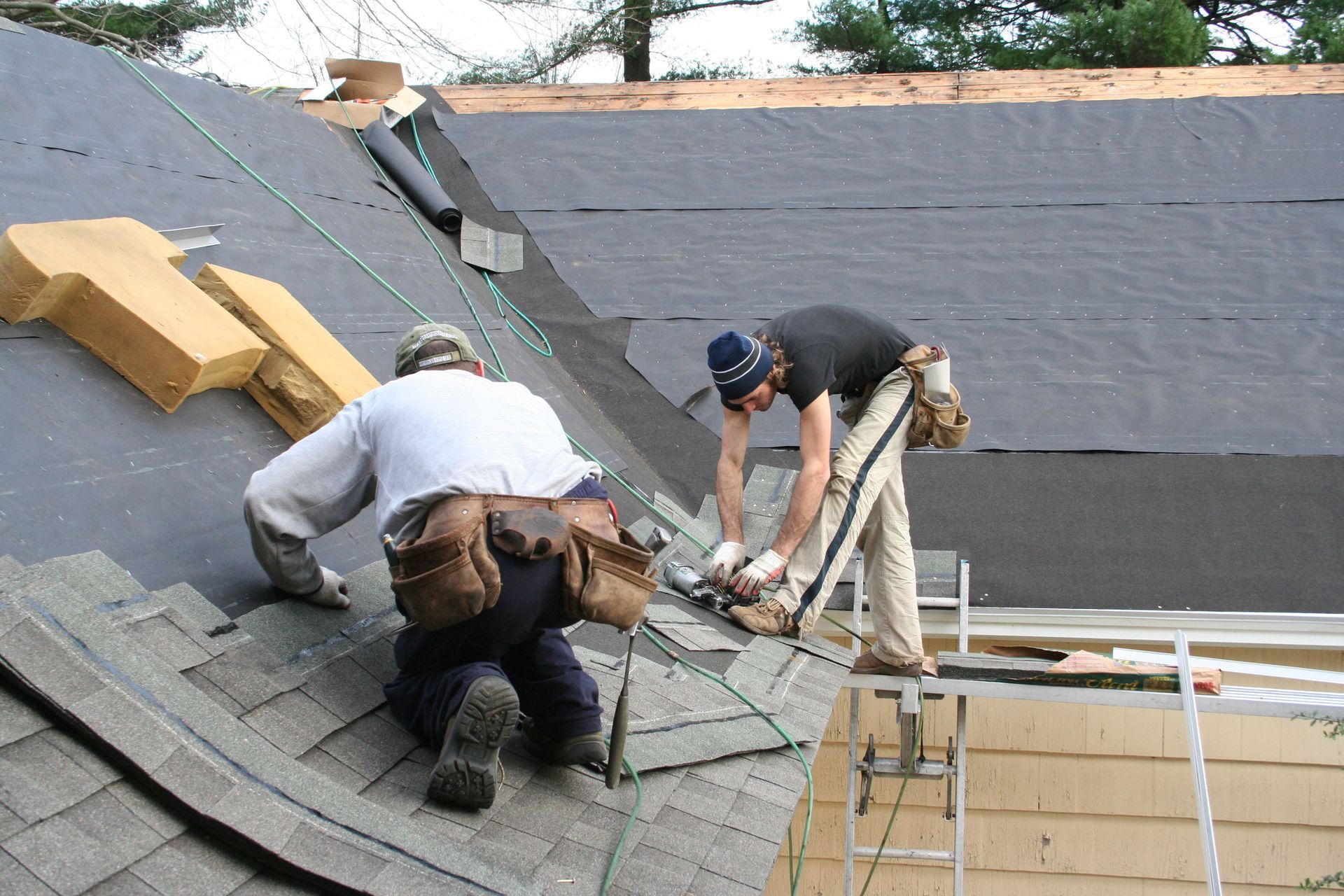
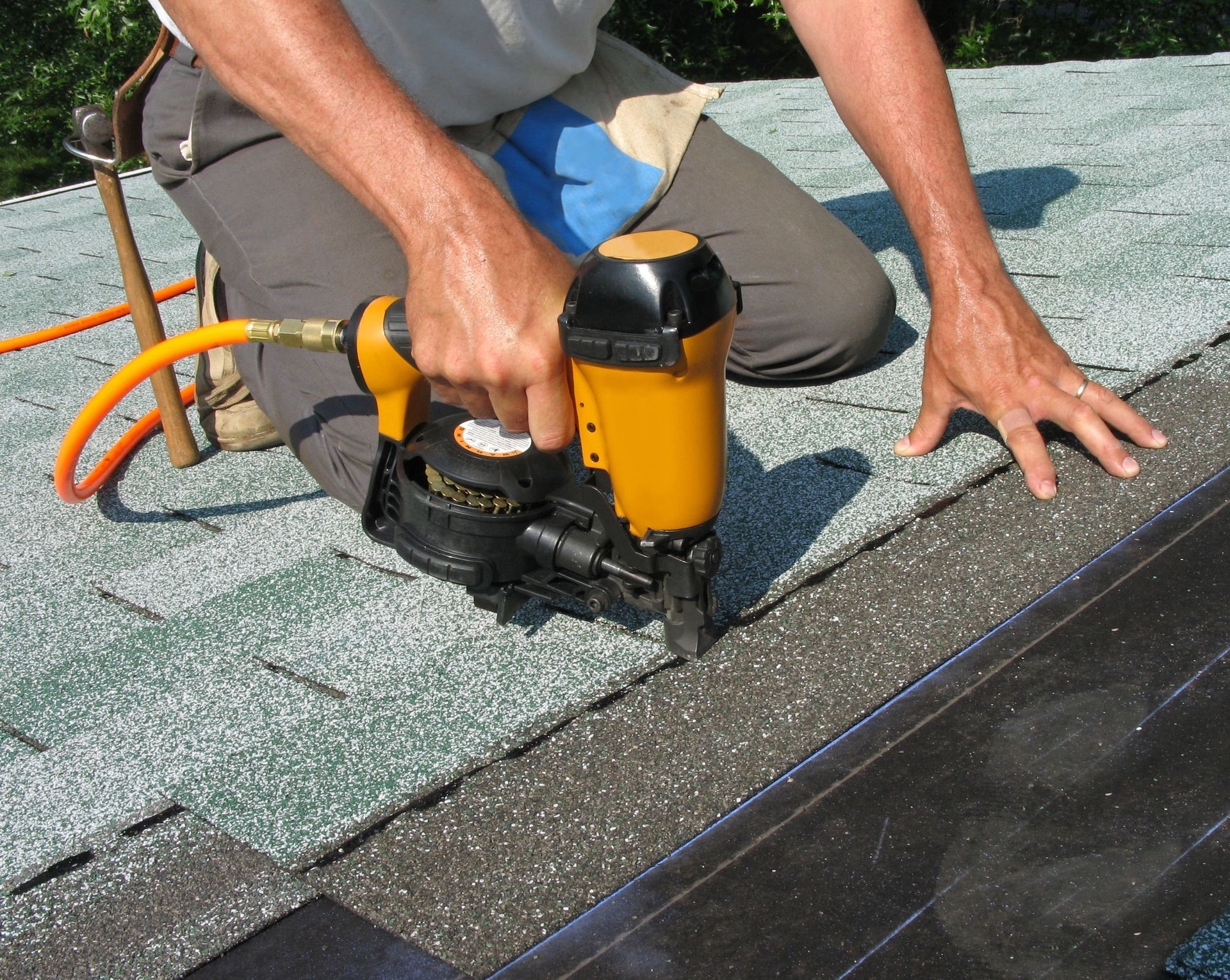
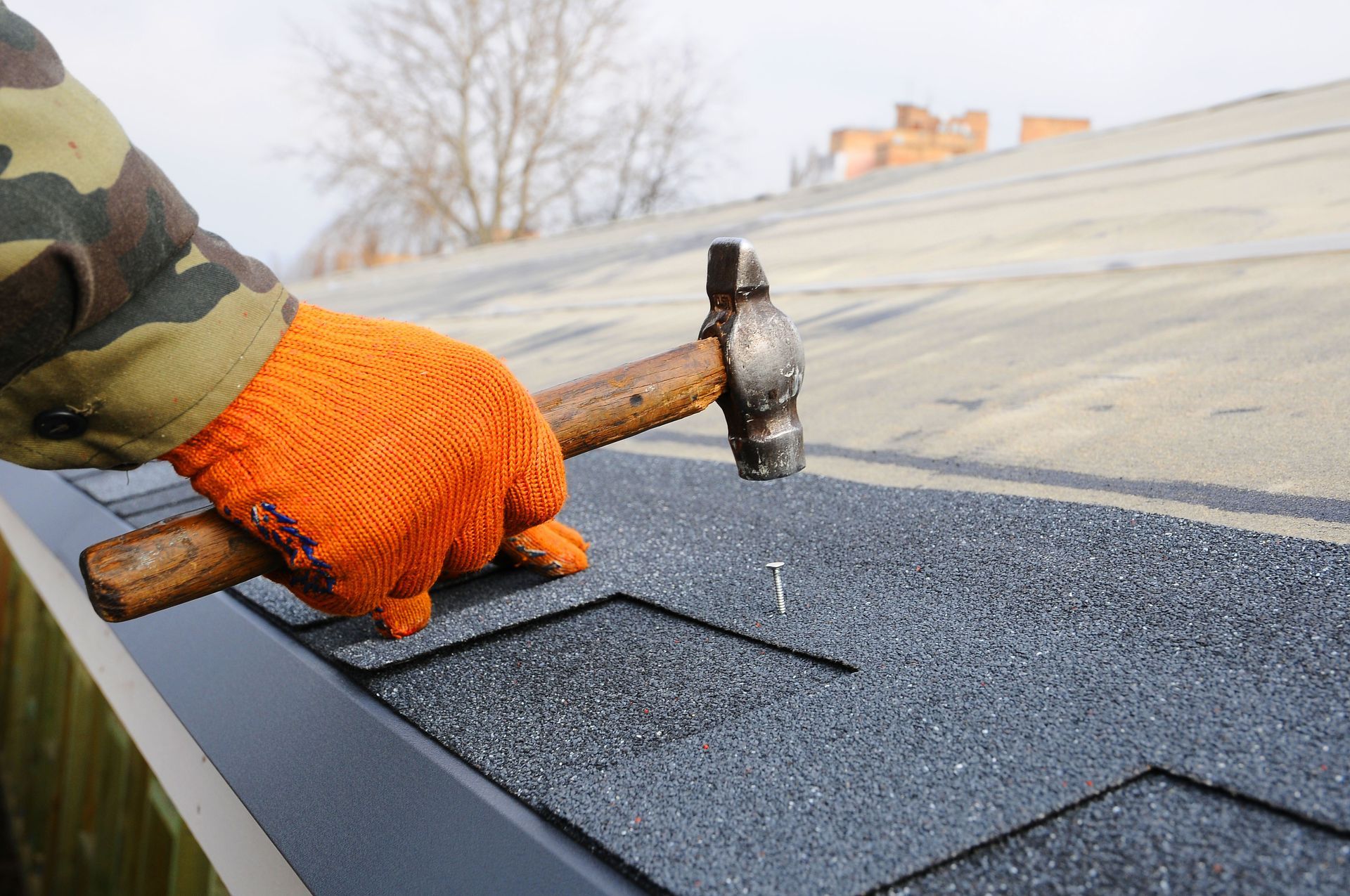
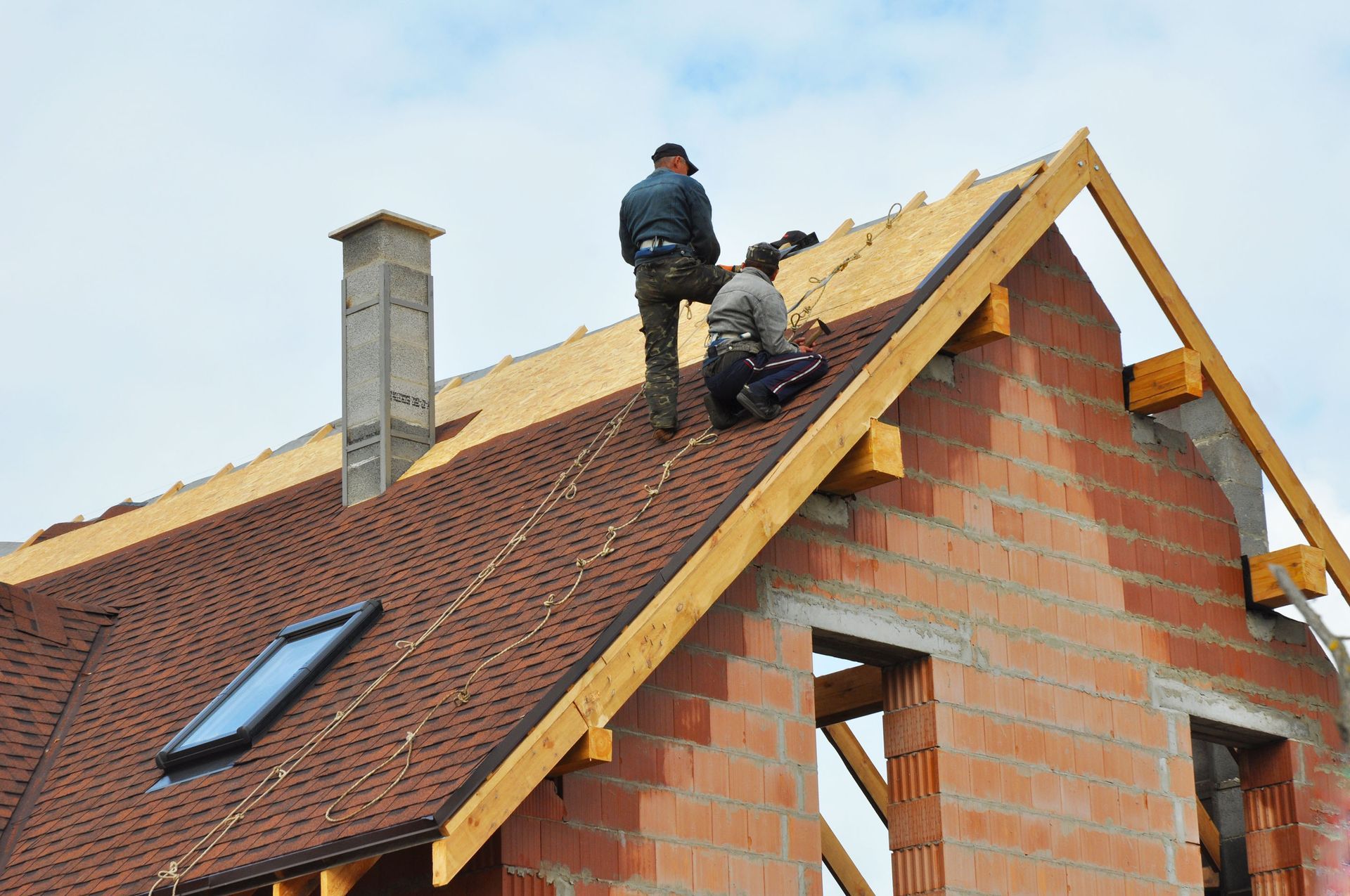
When you think about getting a house ready for the market, your mind probably goes straight to fresh paint or maybe updating the kitchen cabinets. But if you really want to make an impression that sticks, you have to look up. The roof is one of the most substantial components of your home's structure, and its condition speaks volumes to a person pulling into the driveway for the first time. It is a huge relief for a buyer to see a pristine surface overhead rather than a patchwork of old shingles. Interestingly, this is a very common upgrade across the country. According to Forbes, over 5 million new roofs are installed each year. This volume shows just how much homeowners prioritize the integrity of their shelter, especially when they are preparing to hand over the keys to someone else. Choosing professional roof installations can be the difference between a listing that lingers and one that sparks a bidding war.


1. Boosting Your Home’s Initial Curb Appeal

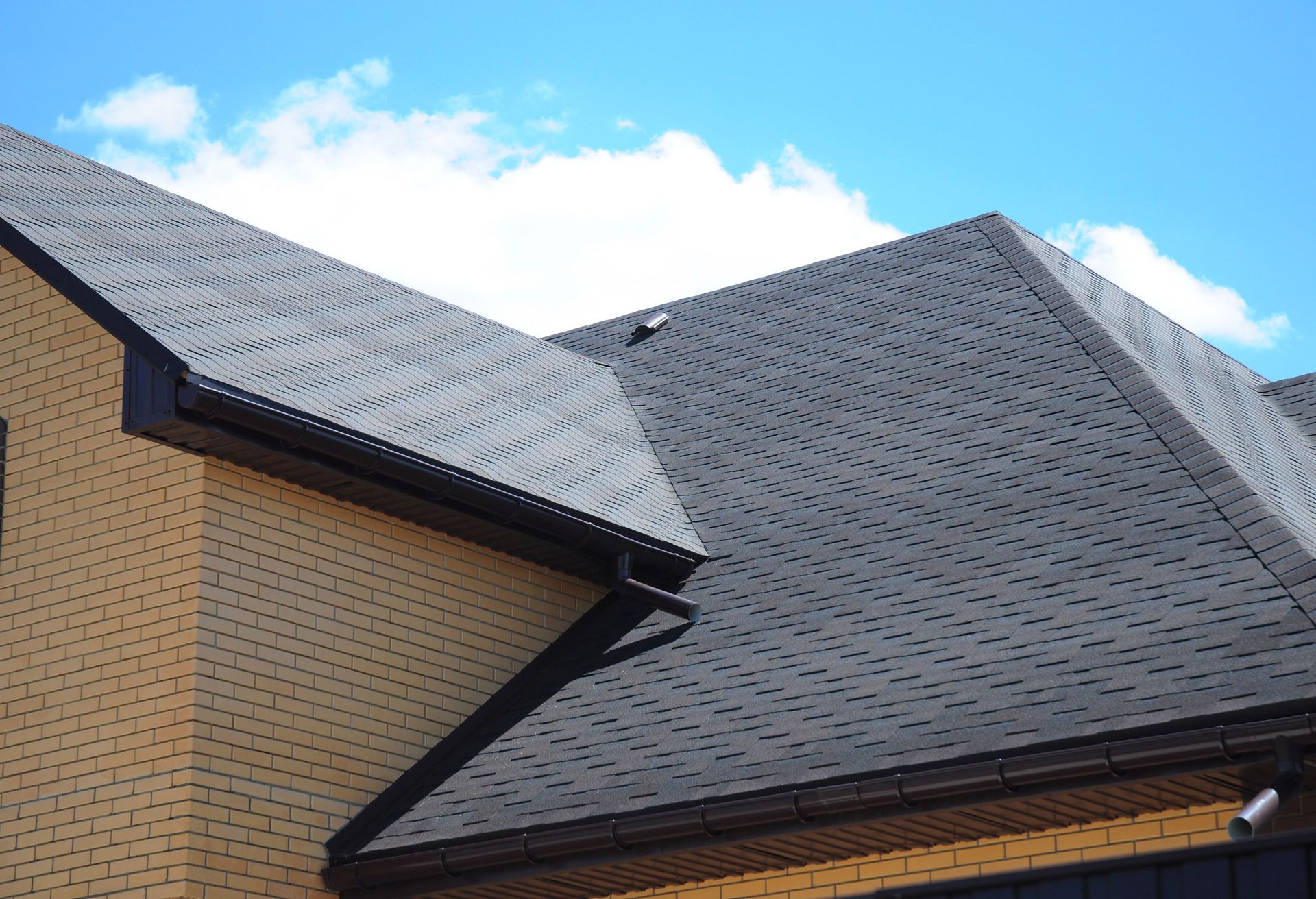
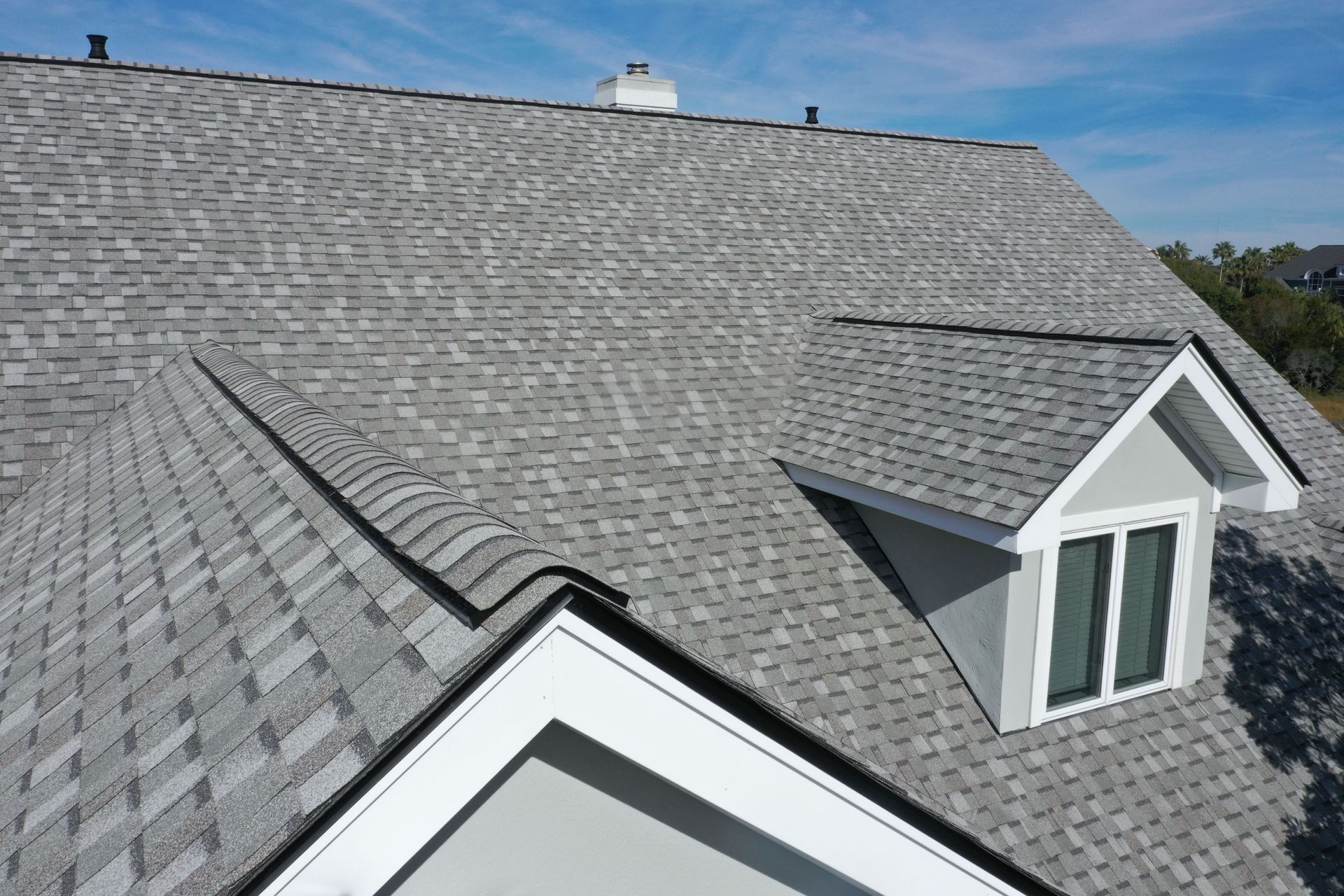
The exterior of your home is like a handshake; it sets the tone for the entire relationship with a potential buyer. When a roof is streaked, sagging, or missing granules, it creates a sense of neglect that is hard to shake, even if the interior is perfect. By investing in quality roof installations, you are essentially giving your home a face-lift. Modern materials offer a crisp, clean look that can completely transform a tired exterior into something that looks brand-new. Buyers often decide whether they like a house before they even step out of their car, and a sturdy, attractive roof is a major part of that "wow" factor. It suggests that the rest of the property has been maintained with the same level of care, making the entire house feel more inviting and prestigious.


2. Increasing the Total Market Value

One of the biggest questions sellers ask is whether they will actually see their money back after a major repair. While some renovations are purely for taste, roof installations are widely recognized by appraisers as high-value upgrades. When a surveyor or appraiser looks at a home, a new roof is a massive "plus" on the report that justifies a higher asking price. It’s not just about the beauty; it’s about the tangible value of a system that won’t need replacing for another twenty or thirty years. Buyers are often willing to pay a premium for a home that won't require a five-figure repair the month after they move in. This financial transparency makes the negotiation process much smoother because the value is sitting right there on top of the house for everyone to see.


3. Enhancing Overall Household Energy Efficiency

We are all looking for ways to keep our utility bills from skyrocketing, and modern roofing technology has come a long way in helping with that. Old roofs often have poor ventilation or materials that soak up the sun's heat like a sponge, forcing your air conditioner to work overtime. Newer roof installations utilize reflective materials and advanced underlayment that keep the attic much cooler in the summer and trap heat more effectively in the winter. When you tell a buyer that the home is energy-efficient, you aren't just selling a roof; you’re selling lower monthly expenses. That is a very persuasive argument in today’s market where "green" features and cost-saving measures are high on every buyer’s list. It’s a gift of long-term savings that stays with the house long after the sale is finalized.


4. Strengthening Structural Safety and Durability

At its core, a roof is a shield. Its job is to keep the wind, rain, and snow from compromising the sanctuary you’ve built inside. As roofs age, they become brittle and more susceptible to leaks that can lead to mold, wood rot, and electrical issues. High-quality roof installations provide a level of protection that an older roof simply cannot match. Knowing that the home is secured with fire-resistant materials and impact-resistant shingles gives a buyer immense peace of mind. They want to know that if a heavy storm rolls through, they won’t be scrambling for buckets in the middle of the night. This sense of security is a powerful emotional hook that makes a buyer feel safe and confident in their investment.


5. Reducing Long-Term Maintenance Stress

Nobody wants to buy a "to-do" list. When people are looking for a new home, they are usually looking for a fresh start, not a series of maintenance headaches. An old roof is a ticking time bomb of chores, from replacing loose shingles to dealing with persistent leaks. By opting for professional roof installations before you list, you effectively wipe that entire category of concern off the table for the next owner. New roofs are designed to be low-maintenance, resisting algae growth and standing up to the elements without constant tinkering. This "set it and forget it" mentality is a luxury that modern buyers are actively seeking. It allows them to focus on decorating their new space rather than worrying about the structural integrity of the overhead cover.


6. Gaining a Significant Competitive Edge

The real estate market can be a bit of a shark tank, and you want your home to be the most attractive option on the block. When a buyer is comparing three similar houses in the same neighborhood, the one with the new roof is almost always going to win. Listings that highlight "New Roof" or "Recent Roof Installations" tend to get more clicks and more foot traffic. It shows that you, as the seller, are proactive and serious about the quality of your property. It also simplifies the inspection process. Inspections can often be the place where deals go to die, but with a brand-new roof, that’s one major hurdle you’ve already cleared. It keeps the momentum of the sale moving forward without the friction of repair requests or price concessions.


7. Securing a Faster Home Sale

At the end of the day, most sellers want two things: the best price and a quick closing. A roof that is in disrepair is a red flag that can cause buyers to hesitate or lenders to deny a mortgage. By taking care of roof installations beforehand, you remove the biggest obstacle to a fast sale. It eliminates the back-and-forth negotiations over repair costs and ensures that the buyer's bank is happy with the collateral. When a house looks ready, feels safe, and promises low future costs, buyers are much more likely to pull the trigger quickly. This saves you months of holding costs, insurance premiums, and the general stress of having your home on the market.


When you consider the sheer scale of home maintenance across the country, it becomes clear that staying ahead of the curve is a major priority for savvy homeowners. Beyond the immediate visual appeal, investing in professional roof installations ensures that your property adheres to the highest standards of modern construction. This proactive approach eliminates the anxiety often felt by buyers who fear hidden water damage or structural weaknesses lurking beneath an aged exterior. By presenting a home that is fortified and aesthetically refreshed, you are not just selling a building; you are selling a worry-free future. This level of preparation is exactly what sets a premium listing apart from the rest of the pack in a crowded market. It provides a definitive sense of closure for the seller and a fresh, secure beginning for the new owner. For expert assistance with your home's exterior needs, reach out to Mike Miller's Roofing & Siding.

roof contractor
February 20, 2026
There are a few things a roof contractor would like you to know before starting the job. Read this article or give us a call today to find out what that is.
roofing contractors
January 19, 2026
Read our blog to discover how roofing contractors handle unexpected issues. If you need roofing services, contact our team today!
roof installation
December 18, 2025
There are a few great ways a new roof installation can boost your home's curb appeal. Keep reading or contact us today to learn more.
roofing companies
October 16, 2025
Planning is one of the most crucial parts of any home improvement project—especially when working with roofing companies. A roofing project is a major investment that affects your home’s safety, comfort, and long-term value. Proper planning helps you avoid the stress of last-minute surprises, keeps the process organized, and ensures you receive top-quality results. Whether you’re replacing a worn-out roof, addressing storm damage, or upgrading your home’s exterior, preparation and communication are key. When homeowners rush into hiring a contractor without adequate research or planning, they often face unexpected expenses, delays, or unsatisfactory results. Taking the time to outline your goals, understand the process, and collaborate closely with your contractor can make a dramatic difference in your experience. By following these steps, you can enjoy peace of mind knowing your investment is in capable hands. 1. Research and Choose the Right Roofing Partner The foundation of any successful roofing project begins with choosing a trustworthy contractor. Reputable roofing companies should be licensed, insured, and transparent about their qualifications. Ask to see proof of insurance and verify that both liability and workers’ compensation policies are active. Doing so protects you from potential financial responsibility if an accident occurs on your property. Beyond credentials, reputation is another vital factor. Reading customer reviews and testimonials on trusted platforms such as Google, Yelp, and the Better Business Bureau gives you an honest look at previous clients’ experiences. Look for consistency in reviews—positive patterns in punctuality, professionalism, and workmanship typically indicate a reliable business. On the other hand, recurring complaints about missed deadlines or poor communication can be warning signs to avoid. It’s wise to compare several quotes before deciding. Evaluating multiple bids helps you gauge fair pricing and understand differences in materials or proposed timelines. Avoid choosing solely based on the lowest price; a deal that seems too good to be true often compromises quality or longevity. Lastly, take note of how each company communicates—prompt, respectful, and knowledgeable responses are hallmarks of trustworthy professionals who value their customers. 2. Define Your Roofing Project Goals and Budget Once you’ve found a few roofing companies that meet your expectations, the next step is to clearly define your project goals. Assess your current roof’s condition by identifying areas of wear, leaks, or visible damage. Determine whether a complete replacement or targeted repairs best suit your needs. Defining your goals in detail ensures that the contractor understands your vision and can tailor their proposal accordingly. Establishing a realistic budget is equally important. Roofing projects involve more than just material and labor costs—they may also include permit fees, equipment rentals, and unforeseen repairs. Discuss potential cost-saving options with your contractor, but never sacrifice quality to cut expenses. Transparent conversations about pricing and payment schedules help prevent misunderstandings later. Homeowners today can choose from a variety of materials, including asphalt shingles, metal, tile, or slate. Each option offers distinct benefits in terms of lifespan, maintenance, and appearance. Energy-efficient materials can even reduce long-term costs. According to This Old House, green roofs can lower roof surface temperatures by up to 68 degrees Fahrenheit during the summer, offering both comfort and energy savings. Discuss eco-friendly choices like cool roofs or solar shingles with your contractor to determine what fits your budget and climate. Finally, establish a project timeline that accommodates both your schedule and the contractor’s availability. A clear timeline ensures coordination, helps manage expectations, and keeps your roofing project on track. 3. Understand the Roofing Process Once your plan and contract are finalized, it’s important to understand each phase of the roofing process. The project typically begins with an inspection and consultation, during which your contractor evaluates your roof’s current state and identifies the best materials and approach. This stage sets the foundation for the entire project. Before any work begins, carefully review the written contract. Ensure it details the payment structure, warranty coverage, estimated timeline, and the full scope of work. A comprehensive contract protects both you and the roofing company by establishing clear expectations. During installation, you can expect several stages, including removing the old roof, preparing the decking, and installing new materials. Quality-focused roofing companies will take measures to safeguard landscaping and clean up debris daily to maintain a tidy workspace. As the project progresses, don’t hesitate to ask questions. Regular communication can clarify uncertainties and address potential issues before they escalate. Once installation is complete, most contractors conduct quality assurance checks to confirm their work meets safety and performance standards. A final walkthrough allows you to review the finished roof, ask final questions, and confirm your satisfaction before signing off on completion. 4. Maintain Consistent Communication Throughout the Project Clear communication is the glue that holds a roofing project together. Establishing open channels of communication early on promotes transparency and trust. Determine how you prefer to receive updates—via phone, email, or text—and agree on how often progress reports will be shared. Many homeowners appreciate receiving photos and written updates during key milestones to monitor progress. Leveraging technology can make this process even more efficient. Project management apps, video calls, and shared folders enable homeowners to stay informed from anywhere. Proactive, consistent communication fosters collaboration, ensures accountability, and builds confidence that the work will be completed as promised. 5. Prepare Your Home and Property for Construction Before the first day of installation, take practical steps to prepare your home. Inside, cover furniture and electronics to protect them from dust or debris. Vibrations during construction may shift fragile items, so it’s best to store valuables and breakables in safe locations. Outdoors, clear driveways, walkways, and patio areas to give workers easy access to the roof. If possible, move vehicles away from the house to prevent accidental damage from falling materials. Designate specific areas for material delivery and tool storage to help the roofing crew stay organized. A well-prepared worksite not only speeds up the project but also enhances safety. Communicate with your neighbors about the upcoming work to minimize inconvenience from noise or debris. If you have children or pets, consider temporary arrangements to keep them comfortable and out of harm’s way. Thoughtful preparation ensures that both your household and the roofing team can operate smoothly and efficiently throughout the project. 6. Review Post-Project Details and Maintenance Once your new roof is installed, the final phase involves reviewing and maintaining the completed work. Conduct a post-installation inspection with your contractor to verify that all tasks meet agreed-upon standards. This walkthrough provides an opportunity to address small details, such as flashing alignment or gutter adjustments, before final payment. Be sure to review the warranty documentation carefully. Most roofing companies offer warranties covering both materials and labor, though terms and durations vary. Clarify how to handle future repairs or warranty claims, and keep your documentation in a safe place. Consistent maintenance is essential for protecting your investment—schedule periodic inspections to detect small issues before they become expensive problems. After completion, take time to evaluate the overall project outcome against your original goals. Consider factors like design, durability, and whether the finished product meets your expectations. Providing feedback online not only supports honest contractors but also helps other homeowners make informed decisions. If follow-up repairs or touch-ups are necessary, contact your roofing company promptly. Quick responses to maintenance needs will help preserve your warranty and extend your roof’s lifespan. A successful roofing project requires thoughtful planning, open communication, and collaboration with reputable roofing companies . From researching contractors and setting a budget to preparing your property and conducting final inspections, each step contributes to the long-term durability and beauty of your roof. When approached with care and preparation, roofing doesn’t have to be stressful—it can be a smooth, rewarding experience that enhances your home’s safety, efficiency, and curb appeal. For dependable craftsmanship and honest, professional service, trust the experienced team at Mike Miller’s Roofing & Siding to bring your roofing vision to life.
roof contractor
July 18, 2025
Are you hiring a roof contractor for your home? Check out our blog to learn about three facts you should know when working with one.
roofing company
January 13, 2025
Are you wondering where the global roofing company market is headed? Take a look at this blog to see a few of our predictions.
roof installations
July 30, 2024
There are a few things you should know before you start roof installations for your home. Keep reading or contact us today to learn more.
roofing contractor
July 7, 2023
When your roof needs repairs, you want to ensure you hire the right team for the job. Keep reading to see questions you should ask your roofing contractor.
roof contractors
June 16, 2022
Thinking about hiring roof contractors but not sure where to start? Check out these three questions to ask your roofing company before getting a new roof!
roofing companies
December 27, 2021
Discover some of the most important signs that you need to contact local roofing companies for a roof replacement.