
7 Things Your Roof Contractor Wants You to Know Before the Job Starts
Understanding the intricacies of a roofing project can greatly enhance communication and expectations between you and your contractor. For many homeowners, roofing is one of those necessary projects that feels overwhelming from the start. It involves a significant investment, disruption to daily routines, and technical decisions most people aren’t used to making. When homeowners go into the process without clear information, misunderstandings can happen quickly.
Knowing what professionals wish you understood before work begins helps you avoid common frustrations and creates a smoother, more cooperative experience. This guide breaks down the essential insights that make roofing projects more predictable, less stressful, and far more successful.
1. Why a Proper Inspection Changes Everything
A thorough inspection is the foundation of any successful roofing project. While a roof may look fine from the ground, hidden problems often exist beneath the surface. Moisture intrusion, deteriorating decking, failing flashing, or ventilation issues can remain unnoticed for years until they cause visible damage inside the home. An inspection allows these issues to be identified early, before materials are ordered or timelines are locked in.
This step also helps determine the most practical path forward. Sometimes repairs are sufficient, while other situations call for a full replacement to prevent ongoing damage. A professional roof contractor relies on inspection findings to provide honest recommendations instead of assumptions. This protects homeowners from investing in short-term fixes that don’t solve the underlying problem.
Inspections also play a critical role in documentation. Written reports and photos can support insurance claims, serve as proof of maintenance, and provide useful records for future buyers. Homeowners who understand the importance of this phase are far less likely to encounter unexpected costs or delays once the project begins. In addition, inspection discussions give homeowners the chance to ask questions about subtle details like ventilation gaps, proper flashing installation, and water flow management—details that can prevent leaks and prolong roof life.
2. How Material Selection Impacts Long-Term Results
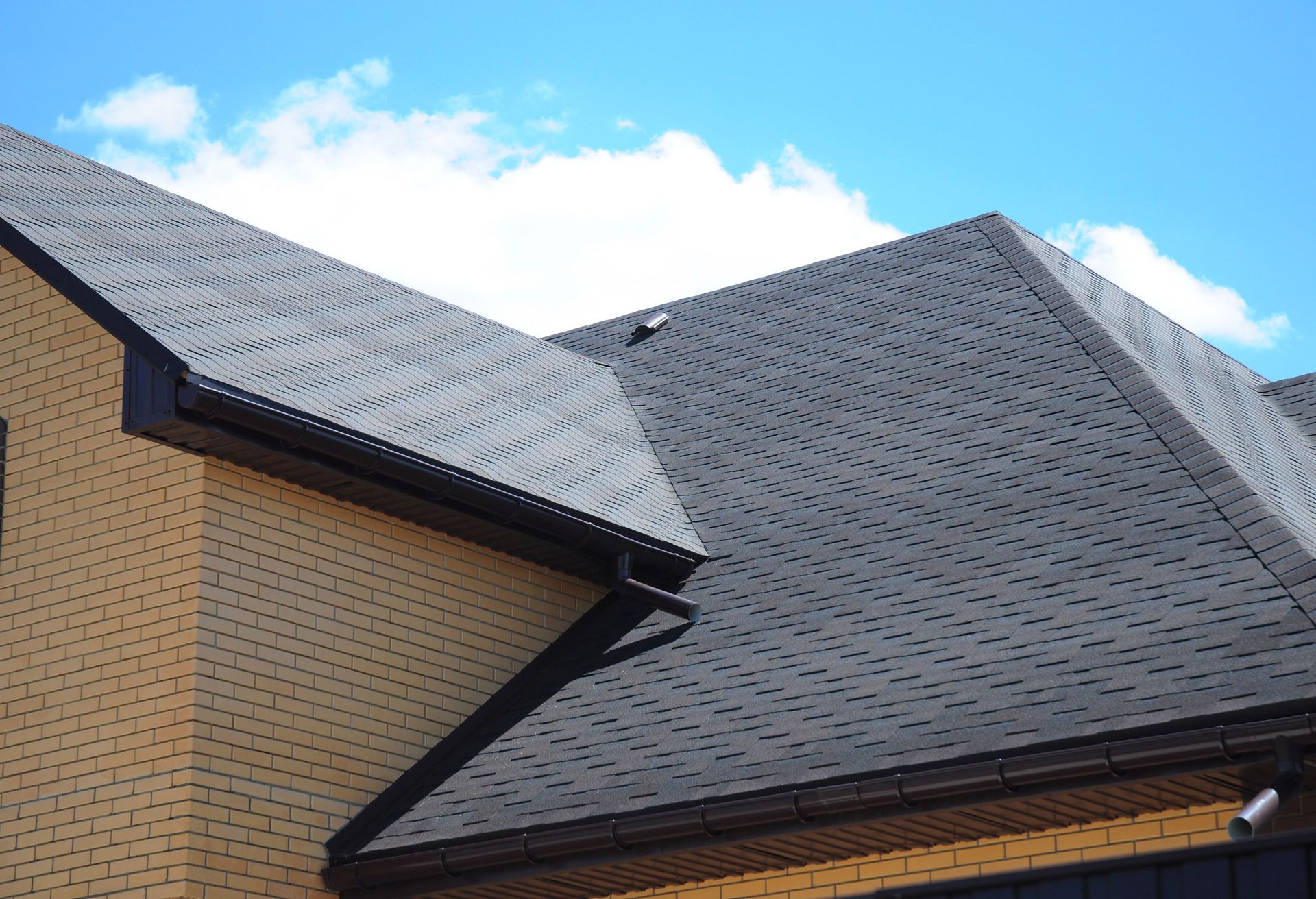
Choosing roofing materials is about much more than curb appeal. Each option comes with its own lifespan, maintenance requirements, and performance characteristics. Asphalt shingles remain a popular choice because they balance affordability and reliability, while metal roofing has become increasingly attractive due to its durability and energy efficiency. According to State Farm Insurance Statistics, a new metal roof can last as long as 40 to 70 years, making it one of the longest-lasting residential roofing systems available.
Longevity is a key consideration when weighing material options. While higher-quality materials often cost more upfront, they tend to require fewer repairs and replacements over time. Climate also plays a major role, as certain materials perform better in areas prone to heavy snow, intense heat, or high winds. For example, clay or concrete tiles can withstand high heat, whereas metal performs well in both cold and wet climates due to its water resistance.
Energy efficiency is another factor many homeowners now prioritize. Reflective materials can reduce heat absorption, helping lower cooling costs during warmer months. A knowledgeable roof contractor helps homeowners balance cost, performance, warranties, and appearance so the final choice supports both immediate needs and long-term value.
Considering the aesthetics alongside functionality also improves the home’s resale value. Choosing the right color, style, and texture ensures that the roof complements the rest of the home, enhancing both curb appeal and neighborhood consistency.
3. What Really Goes Into Roofing Timelines and Workflow
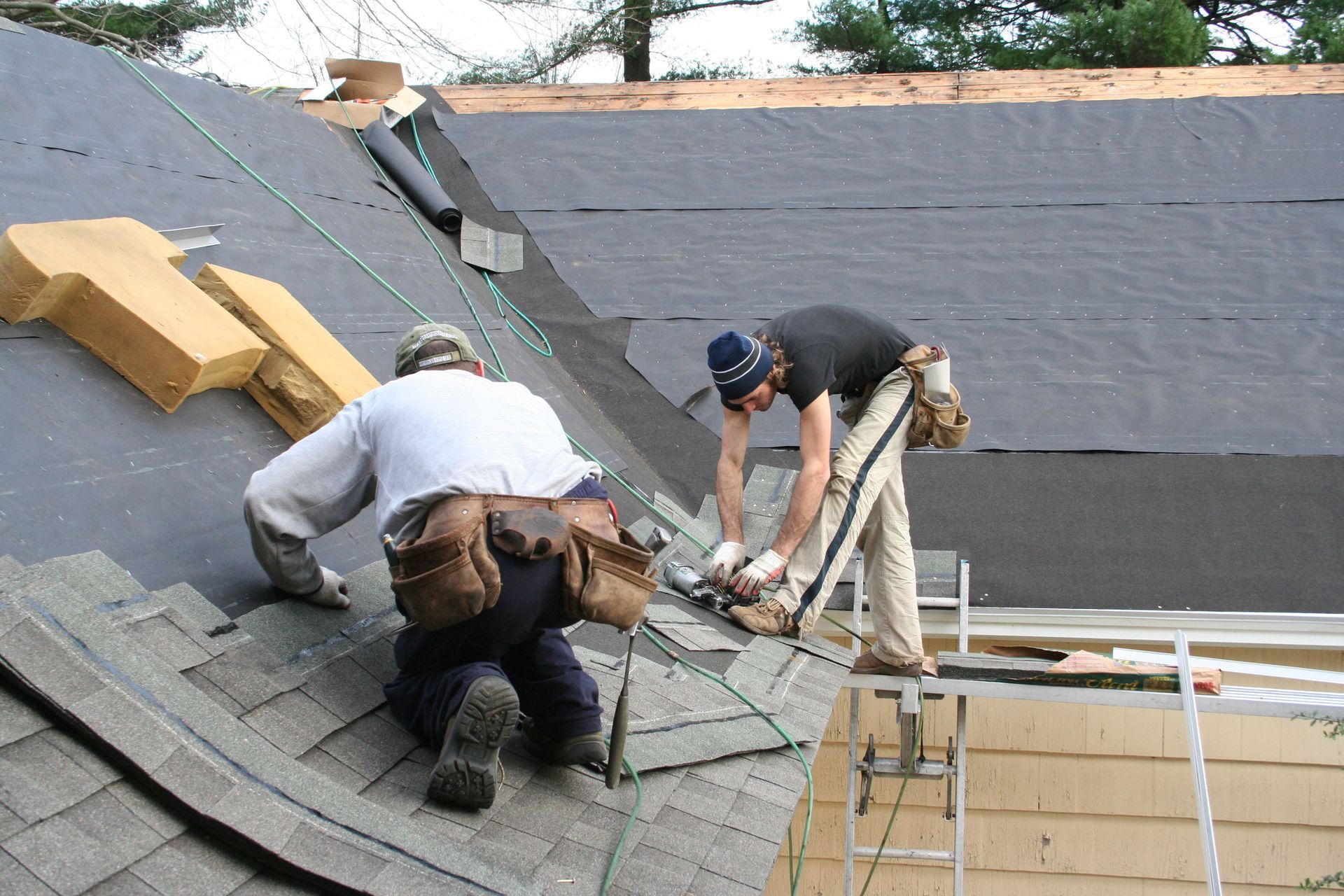
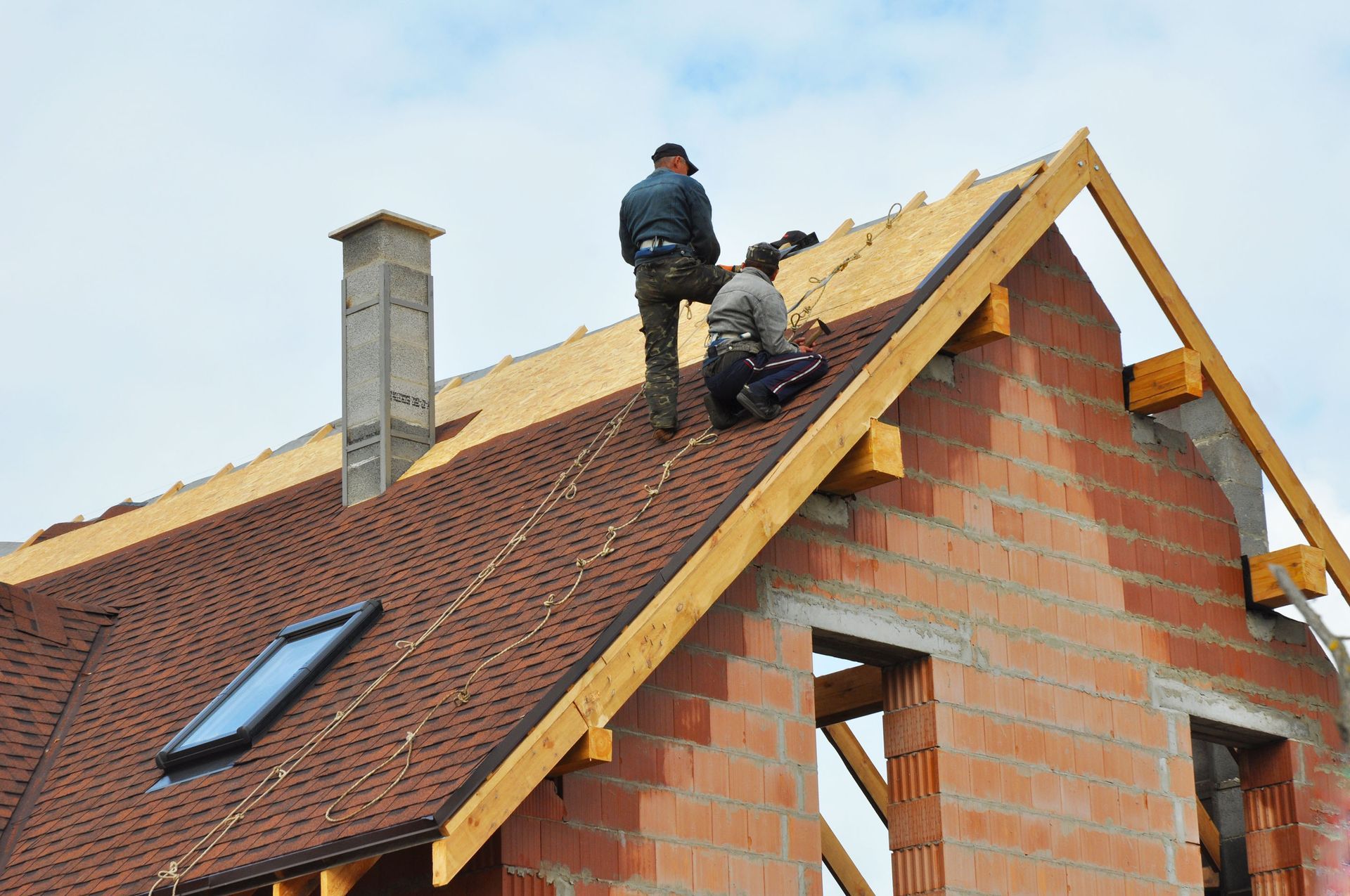
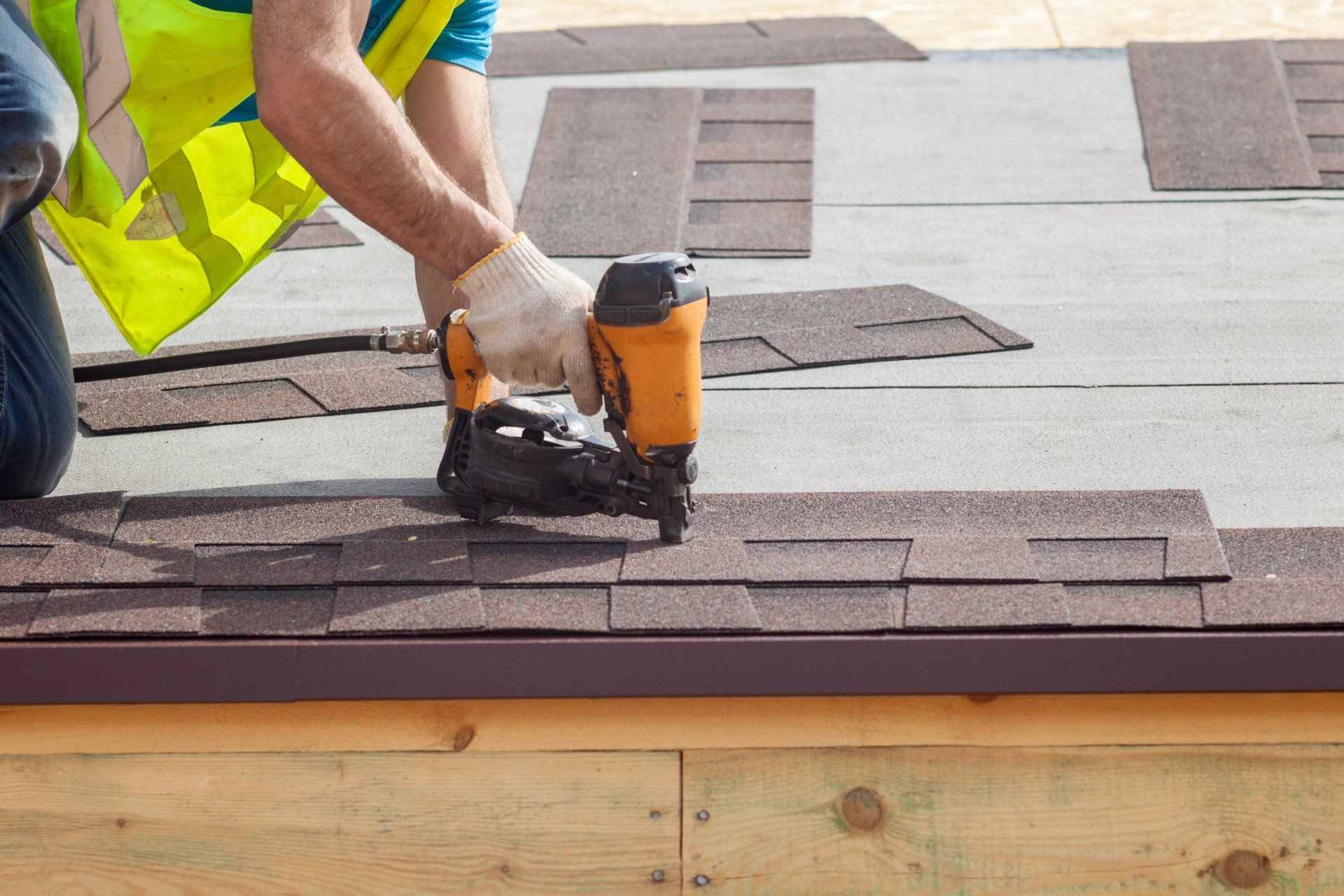
Roofing projects follow a structured process designed to protect the home and ensure proper installation. Most jobs begin with preparation, followed by removal of existing materials, inspection of the underlying structure, necessary repairs, installation of new materials, cleanup, and a final inspection. Understanding these stages helps homeowners feel more comfortable with what’s happening day by day.
Weather is one of the biggest variables in roofing timelines. Rain, extreme temperatures, or high winds can delay work to protect materials and worker safety. Experienced contractors plan schedules with flexibility to accommodate these conditions without compromising quality. Seasonal considerations are particularly important; spring and early summer often allow for the fastest installations, while winter may slow down drying times or make some materials harder to work with. Planning in advance and setting realistic expectations ensures that homeowners avoid unnecessary stress or disappointment.
Homeowners also contribute to smooth scheduling by preparing their property. Securing valuables, protecting landscaping, and understanding noise expectations reduce disruptions. Communication about arrival times and work progress helps everyone stay on the same page. When everyone knows what to expect, the project feels more organized and far less chaotic.
4. How Pricing, Estimates, and Payments Work
Roofing estimates can seem confusing, especially for homeowners unfamiliar with construction pricing. A detailed estimate should outline labor, materials, disposal, and potential additional repairs. Asking questions early helps clarify where your money is going and prevents misunderstandings later. Some contractors also include contingencies for unexpected repairs discovered during tear-off, which helps prevent disputes when the unexpected happens.
Many homeowners don’t realize that financing options or insurance claims may help offset costs. Insurance claims, in particular, require documentation and communication, areas where an experienced roof contractor can offer valuable guidance. Payment schedules vary, but transparency ensures both parties feel comfortable before work begins. Understanding how payments are structured—such as whether deposits are needed, progress payments are expected, or final balances are due upon completion—reduces financial surprises.
Unexpected costs typically arise when hidden damage is uncovered during tear-off. Clear contracts and ongoing communication help manage these situations without conflict. Understanding the financial structure of the project allows homeowners to plan with confidence instead of anxiety. Reviewing warranty coverage and post-installation support is another aspect that helps homeowners avoid unexpected expenses in the years to come.
5. Why Strong Communication Prevents Frustration
Clear communication is one of the most important factors in a successful roofing project. Establishing expectations at the beginning regarding timelines, materials, daily routines, and cleanup procedures reduces confusion and stress. Homeowners should feel comfortable asking questions at any stage of the process, from small clarifications about shingle alignment to bigger questions about ventilation and insulation.
Regular updates help homeowners stay informed and engaged. When concerns arise, addressing them promptly prevents small issues from escalating. A dependable roof contractor views communication as an essential part of the job, not an afterthought. This includes clarifying weather delays, progress on material delivery, or changes in project scope. Some contractors even provide digital updates or photos to show work completed each day, helping homeowners feel involved without having to constantly supervise.
6. How Safety and Regulations Protect Everyone
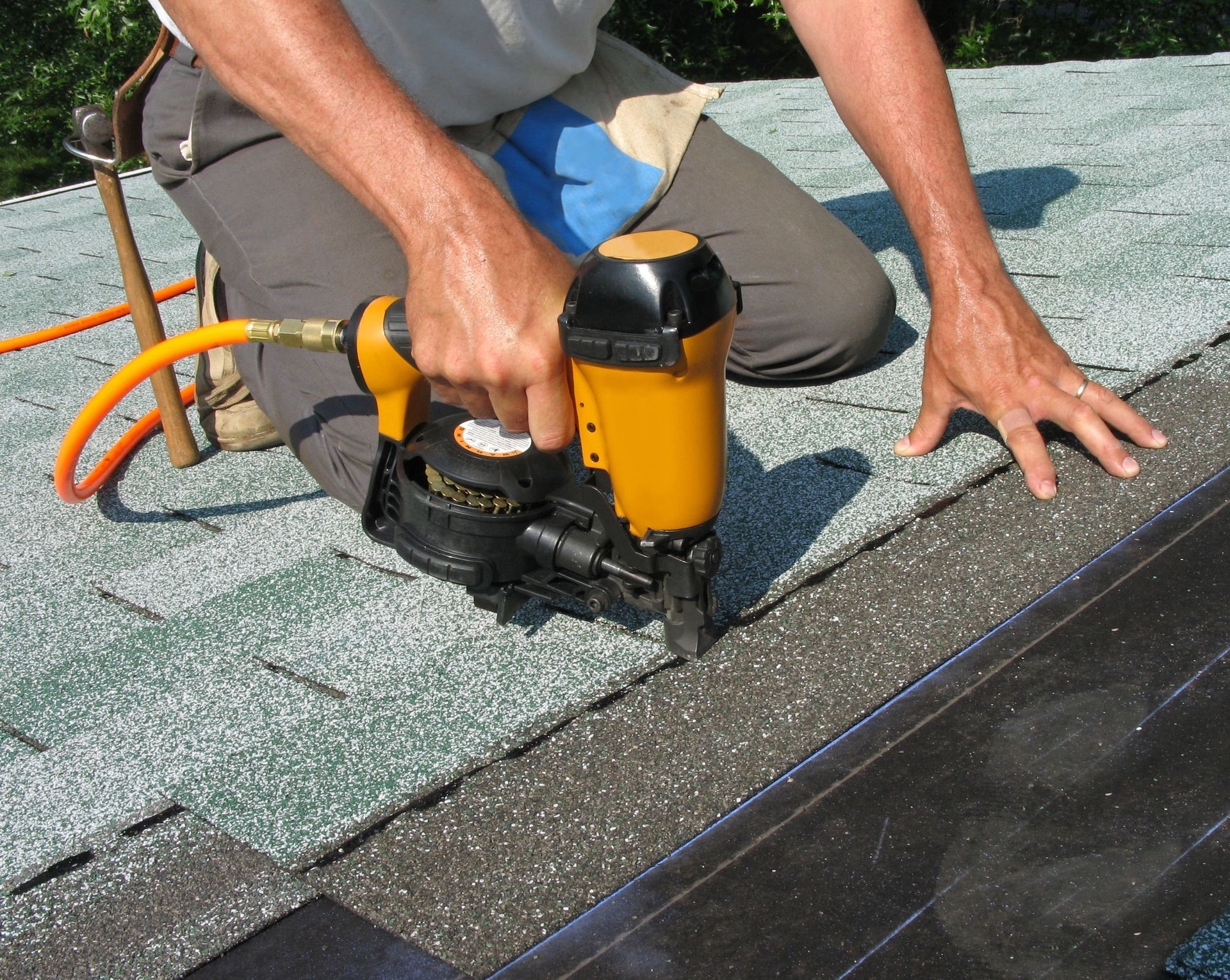
Roofing work involves significant risk, making safety a top priority. Licensed professionals follow strict safety protocols to protect workers, homeowners, and property. Compliance with local building codes ensures the roof meets legal and structural standards. For example, certain regions require specific fasteners, underlayment types, or ventilation spacing to maintain code compliance and ensure the roof’s performance over time.
Environmental responsibility is another important consideration. Proper disposal of old materials and responsible waste management reduce environmental impact and keep job sites clean. Some contractors recycle shingles and metal components, minimizing landfill contributions and supporting sustainable practices.
Final inspections confirm that everything meets safety and quality standards before the project is officially complete. Homeowners benefit when their roof contractor prioritizes safety and compliance, as it minimizes liability and helps ensure the roof performs as intended for years to come. Observing these practices also offers peace of mind, knowing that the roof will withstand weather, age gracefully, and protect the home’s interior effectively.
7. What Preparation Delivers Over the Life of the Roof
Prepared homeowners consistently see better results from their roofing projects. Understanding the process, maintaining realistic expectations, and staying engaged leads to smoother timelines and higher-quality outcomes. Roofing isn’t just a construction task; it’s a long-term investment in protecting your home and everything inside it.
When homeowners work collaboratively with a roof contractor, decisions are more informed, communication flows more easily, and the finished roof lasts longer. Knowledge builds confidence, and confidence leads to better choices throughout the project. Over time, this approach reduces stress, prevents costly mistakes, and ensures that the roof continues to provide security and value for decades. If you’re ready to work with a team that values clarity, craftsmanship, and long-term protection, contact Mike Miller's Roofing & Siding today to get started.
Share On: